Foods to Help Hormonal Imbalance
Foods to help hormonal imbalance are one of the most powerful tools women have for supporting their overall health. If you experience mood swings, irregular cycles, unexplained weight gain, fatigue, or brain fog, your hormones may be out of balance. What you eat every day plays a bigger role than many people realize.
As a dietitian specializing in women's health, I work with clients who are navigating everything from thyroid disorders to perimenopause. One of the first questions I ask is always: what does your diet look like? This usually tells me a lot about what could be going on in your body. Food is one tool your body uses to regulate hormone levels, manage stress, and keep your whole system running smoothly.
In this blog, we'll cover:
Why food matters for hormonal health
The best foods to help hormonal imbalance
Foods that disrupt hormone balance
How to build a hormone-balancing diet
Frequently asked questions
Interested in personalized nutrition support? Let’s connect! Book a free discovery call with me with this link!
Why Diet Matters for Hormone Health
Hormones are chemical messengers that control nearly every function in your body. They regulate your mood, metabolism, reproductive health, sleep, and stress response. When hormone levels shift, even slightly, you can feel it.
Your diet directly influences several key hormones including estrogen, cortisol, insulin, progesterone, and thyroid hormones. A diet that includes a lot of processed foods, refined sugar, and unhealthy fats can trigger chronic inflammation, spike blood sugar levels, and increase cortisol levels. All of these can influence hormonal balance.
On the other hand, a nutrient-dense diet can reduce cortisol levels, increase insulin sensitivity, support estrogen metabolism, and promote a healthier hormonal environment overall.
The good news is you do not need a complicated plan. Focusing on whole, minimally processed foods is the foundation of any hormone balancing diet. Still, there are certain foods and food groups that deserve a shout-out. I’ve listed these key foods and food groups below.
The Best Foods to Help Hormonal Imbalance
Fatty Fish
Fatty fish like salmon, sardines, and mackerel are rich in omega-3 fatty acids. These healthy fats have been shown to reduce inflammation, support brain health, and help regulate cortisol levels. Research also suggests that omega-3s support reproductive health by improving ovarian function and menstrual regularity.
Aim to include fatty fish two to three times per week as part of a hormone-supporting diet.
Cruciferous Vegetables
Cruciferous vegetables are among the most powerful foods to help hormonal imbalance, especially for estrogen balance. Broccoli, cauliflower, Brussels sprouts, kale, and cabbage contain a compound called indole-3-carbinol. Research shows that this compound supports the liver in metabolizing and clearing excess estrogen from the body.
High estrogen levels are linked to symptoms like heavy periods, bloating, weight gain, and mood swings. Adding cruciferous vegetables to your meals a few times per week supports healthier estrogen levels naturally.
Whole Grains
Refined carbohydrates spike blood sugar and trigger insulin surges, which can disrupt hormonal balance over time. Whole grains like oats, brown rice, quinoa, and farro digest more slowly. For decades now, whole grains have been known to stabilize blood sugar levels and support insulin sensitivity.
Stable blood sugar is critical for hormonal health. When blood sugar swings wildly throughout the day, cortisol rises to compensate. Over time, chronically elevated cortisol levels interfere with thyroid function, reproductive hormones, and sleep quality. Choosing whole grains over refined options is a simple, effective shift.
Healthy Fats
Your body needs fat to produce hormones. Cholesterol from dietary fat is the building block for estrogen, progesterone, testosterone, and cortisol. Without enough healthy fats, hormone production suffers.
Focus on foods like avocados, olive oil, nuts, seeds, and fatty fish. These sources of healthy fats also support brain health, reduce inflammation, and improve insulin sensitivity. Avoiding fat entirely can worsen hormonal imbalance rather than help it.
Leafy Greens and Magnesium-Rich Foods
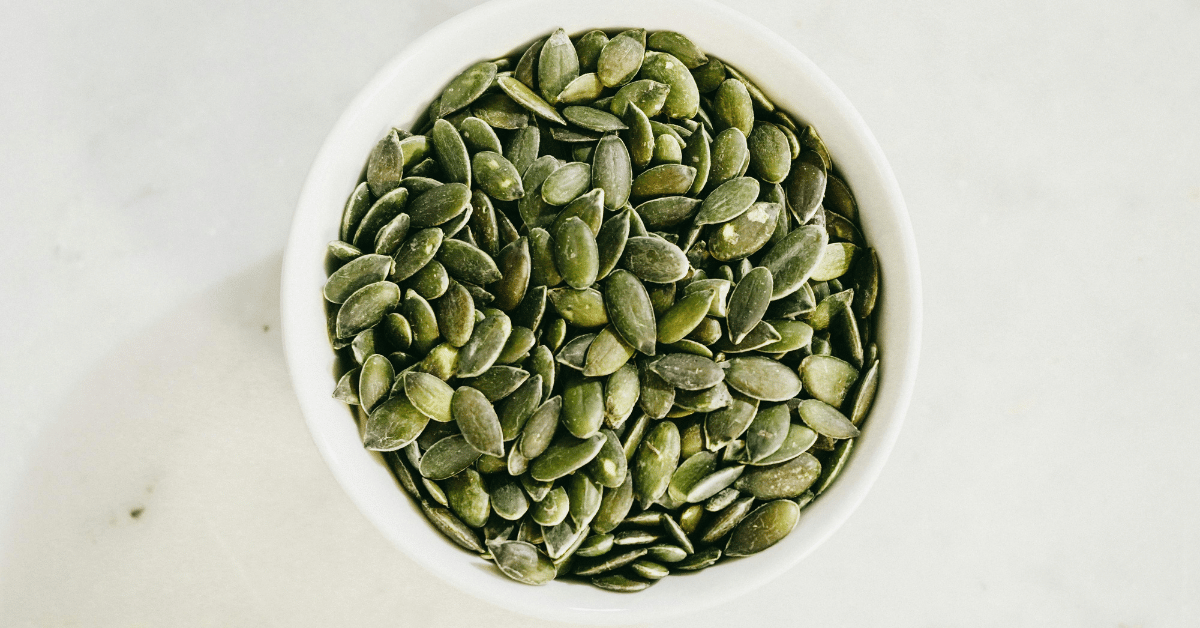
Magnesium is a mineral that many women do not get enough of. It plays a key role in reducing cortisol levels, supporting sleep, reducing insulin resistance, and easing PMS symptoms. Leafy greens like spinach and Swiss chard, along with pumpkin seeds, dark chocolate, and legumes, are excellent magnesium sources.
Low magnesium is associated with higher cortisol, poor sleep, and more intense mood swings. Prioritizing magnesium-rich foods is a practical step toward better hormonal health.
Flaxseeds
Flaxseeds contain lignans, which are plant compounds that gently support estrogen balance in the body. They act as phytoestrogens, meaning they can have a mild estrogen-like effect or block excess estrogen depending on what the body needs.
Flaxseeds are also high in fiber, which supports the gut's ability to eliminate excess hormones through digestion. Add ground flaxseeds to smoothies, oatmeal, or yogurt for an easy daily boost.
Probiotic and Fermented Foods
The gut microbiome plays a meaningful role in hormonal health. The gut helps regulate estrogen levels through a collection of microorganisms researchers now refer to as the estrobolome. An unhealthy gut can recirculate excess estrogen back into the bloodstream rather than eliminating it.
Fermented foods like yogurt, kefir, kimchi, sauerkraut, and miso support a healthy gut microbiome. Including these foods regularly can improve estrogen metabolism and support overall hormonal balance.
Foods That Disrupt Hormonal Balance
Just as some foods support hormone health, others work against it. Foods that commonly disrupt hormonal balance include:
Refined sugar and processed carbs: These spike blood sugar and trigger insulin surges. Over time, this can lead to insulin resistance, which disrupts other hormones including estrogen and testosterone.
Excess alcohol: Alcohol impairs liver function, which is critical for metabolizing and clearing hormones from the body. It can raise estrogen levels and increase risk for hormonal imbalance.
Highly processed foods: Often high in inflammatory vegetable oils, additives, and sugar, processed foods promote systemic inflammation that interferes with hormone signaling.
Excess caffeine: For some women, high caffeine intake increases cortisol levels and worsens anxiety, sleep disruption, and PMS symptoms.
This does not mean these foods must disappear entirely. But reducing them consistently makes a real difference in hormone health.
The Role of Stress and Cortisol in Hormonal Imbalance
No conversation about hormonal health is complete without addressing stress. Chronic stress keeps cortisol levels elevated. High cortisol suppresses reproductive hormones, disrupts thyroid function, raises blood sugar, and interferes with sleep.
Diet alone cannot resolve chronic stress. But certain foods do help buffer the body's stress response. Magnesium-rich foods, omega-3s, and vitamin C (found in bell peppers, citrus, and strawberries) all support the adrenal glands and help the body manage cortisol more effectively.
Medical support may also be important if you suspect your hormones are significantly out of balance. Speak with your healthcare provider about testing options. Nutrition works best alongside appropriate medical care, not instead of it.
How to Build a Hormone Balancing Diet
You do not need a perfect diet to perfect foods to help hormonal imbalances. Small, consistent changes add up over time. Here is a practical framework:
Fill half your plate with vegetables. Prioritize cruciferous vegetables and leafy greens.
Choose whole grains over refined carbs. Swap white bread and white rice for oats, quinoa, and brown rice.
Include a source of healthy protein at every meal. Protein supports blood sugar stability and provides amino acids needed for hormone production.
Add healthy fats daily. Think avocado on toast, olive oil on salads, or a small handful of nuts.
Include fatty fish two to three times per week. Or consider an omega-3 supplement if fish is not part of your regular diet.
Support your gut with probiotic foods. Aim for one serving of fermented food daily.
Limit added sugar and alcohol. These two factors alone have a significant impact on hormonal health.
If you are not sure where to start, working with a registered dietitian who specializes in women's health can help you build a personalized plan. Learn more about my nutrition services here or read more about foods to support stress relief in my recent blog.
Foods to Help Hormonal Imbalance: FAQs
Can food fix hormonal imbalance?
Food is a powerful tool for supporting hormonal health, but it is not always sufficient on its own. Significant hormonal imbalances may also require medical evaluation and treatment. Diet works best as part of a comprehensive care plan that includes appropriate medical support.
What foods help balance hormones in women?
Foods that help balance hormones in women include fatty fish, cruciferous vegetables, whole grains, flaxseeds, avocados, nuts, seeds, and fermented foods. These provide healthy fats, fiber, and key nutrients that support estrogen metabolism, blood sugar stability, and cortisol regulation.
What micronutrients support hormone balance?
Key vitamins and minerals for hormone balance include vitamin D, vitamin B6, vitamin B12, and magnesium. These micronutrients support adrenal function, thyroid health, estrogen metabolism, and mood regulation. A dietitian can help you assess whether dietary sources or supplementation makes sense for your needs.
What foods reduce cortisol levels?
Foods that help reduce cortisol levels include magnesium-rich foods like leafy greens, pumpkin seeds, and dark chocolate, as well as omega-3 rich foods like fatty fish. Foods high in vitamin C also support adrenal health and cortisol regulation. Read about the best foods for stress relief here.
Are there foods that increase estrogen levels?
Some foods contain phytoestrogens, which can gently influence estrogen levels. Flaxseeds and fermented soy foods like tempeh and miso are examples. Cruciferous vegetables, on the other hand, support the body's clearance of excess estrogen through the liver.
How does blood sugar affect hormones?
Blood sugar fluctuations directly affect insulin and cortisol. When blood sugar spikes and crashes frequently, the body releases more cortisol and insulin to compensate. Over time, this pattern disrupts other hormones and can worsen hormonal imbalance symptoms like weight gain, mood swings, and fatigue.
Personalized Nutrition For Hormonal Imbalances
Hormonal imbalances are highly individualized and therefore difficult to address; they can be affected by your diet but also your age, lifestyle, and other environmental factors. If you’re feeling overwhelmed or like you don’t know where to start, talking to a registered dietitian is a great option. I have experience with and a passion for working with women, and I’d love to connect. Use this link to book a free discovery call with me today.