GI-MAP Testing: When It Helps, When It Doesn’t, and What to Expect
Gut health can feel like a complete mystery. When you’re dealing with ongoing bloating, unpredictable digestion, skin issues, low energy, or even brain fog and mood changes, it’s hard to know where to begin. While basic nutrition and lifestyle changes can make a big difference, sometimes symptoms persist- and that’s when a deeper look into the gut may be helpful.
One tool used in functional nutrition is GI MAP testing, a DNA-based stool test that analyzes the bacteria, pathogens, and digestive markers in your gut. Unlike traditional stool cultures, this functional lab test uses advanced qPCR technology to identify microbes and imbalances with a high level of sensitivity.
If you’ve ever Googled GI testing near me or wondered whether a test like this could help explain your symptoms, you’re not alone. In this blog, we’ll explore who might benefit from GI-MAP testing, how it works, and what you can expect once you receive your results.
Interested in learning more about other functional lab tests? Check out my blog on the Top 6 Functional Lab Tests I Recommend to Clients & Why.

Who May Benefit From a GI-MAP
Before diving into the specifics, it’s important to understand who GI MAP testing is actually designed for- and who may not need it.
The gut microbiome influences nearly every system in the body. These microorganisms affect digestion, immunity, metabolism, inflammation, and even brain function. When something is off, the symptoms may appear in more than just your digestive tract.
You may consider GI-MAP testing if you’re experiencing:
Chronic bloating or gas
IBS or IBD symptoms
Constipation or diarrhea
Autoimmune conditions
Acne, psoriasis, or unexplained skin issues
Fatigue or low energy
Mood concerns, such as anxiety or depression
Weight fluctuations or difficulty losing weight
Signs of malabsorption
For many individuals, especially those searching for GI MAP testing near me, the goal is not just to identify what’s wrong- but to get answers when other tests have been inconclusive.
When the GI-MAP may not be appropriate
It’s important to know that a stool test reflects the environment of the large intestine, not the small intestine. So if small intestinal bacterial overgrowth (SIBO) is suspected, a stool test may not be appropriate.
Additionally, trying to optimize gut health without symptoms or clinical need may not be helpful. There is still no universal definition of what a “perfect microbiome” looks like, and GI testing should not be used as a general wellness check.
How GI-MAP Testing Works
GI MAP testing uses qPCR technology to analyze the DNA of microbes in your stool. This allows for precise identification of beneficial bacteria, opportunistic microbes, pathogens, and markers of inflammation or digestion.
Here’s what the testing process looks like:
1. Collect your sample at home
You receive a test kit with detailed instructions. The collection process is simple, sanitary, and takes only a few minutes.
2. Ship your sample to the lab
The kit includes prepaid packaging and biohazard materials so you can safely mail your sample.
3. The lab runs DNA-based analysis
Using qPCR, the lab identifies microbial DNA and measures the amounts of different organisms.
4. Receive results in 1–2 weeks
Your report is highly detailed- sometimes overwhelmingly so. This is one reason it’s helpful to work with a trained clinician who understands how to interpret the data.
For many people seeking “GI testing near me,” the convenience, detail, and clarity offered by the GI-MAP make it an appealing choice.
What to Expect From Your Results
A GI-MAP report gives you an inside look at several key areas of gut function. Your results may include:
Beneficial Bacteria
These microbes support digestion, immune health, nutrient synthesis, and a balanced microbiome.
Opportunistic or Overgrown Bacteria
These organisms can create symptoms when they’re too high or too low.
Pathogens
GI MAP testing screens for parasites, viruses, and harmful bacteria that may trigger acute or chronic digestive issues.
Yeast and Fungal Overgrowths
Candida and other fungi can appear- especially after antibiotic use.
Digestion and Absorption Markers
Markers like pancreatic elastase and steatocrit tell you whether your pancreas is producing enough enzymes or whether fat is being properly absorbed.
Inflammation Markers
Calprotectin can indicate intestinal inflammation, while secretory IgA reflects immune activity in the gut.
Here is a sample report of the results:
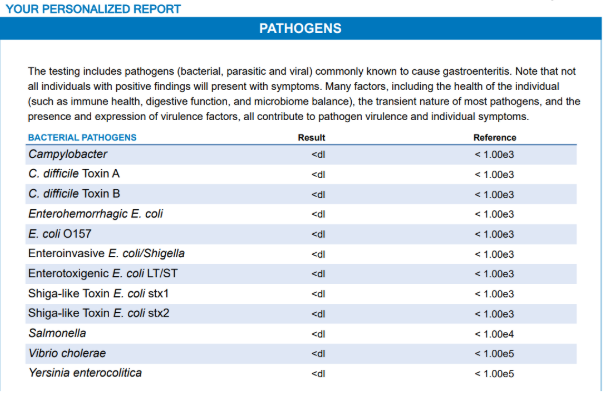
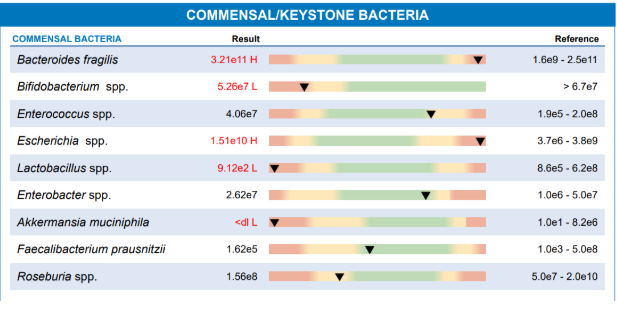
Because the GI-MAP covers so many areas, it can be a powerful tool for personalizing your nutrition, supplement, and lifestyle approach- but only when interpreted in context. I recommend reviewing your report with a dietitian or clinician who is experienced with GI testing and functional lab interpretation.
Frequently Asked Questions
1. Why is the GI-MAP preferred over other stool tests?
Many clients seek GI MAP testing because qPCR technology can detect even small amounts of microbial DNA, making it more sensitive than culture-based stool tests. This allows the test to pick up low-level imbalances that may be contributing to symptoms.
2. How accurate is the GI-MAP?
The test is considered highly sensitive, but it can sometimes identify organisms that are not clinically significant.
3. Do I need to retest?
Not always. Some people retest after 3–6 months when addressing significant imbalances or infections, while others only test once to gather baseline information.
4. Is GI-MAP testing covered by insurance?
Most insurance plans do not cover GI MAP testing. However, HSA or FSA funds can often be used to pay for the test.
5. What happens after the results come in?
I recommend meeting with a dietitian for a full interpretation session. I help my clients by reviewing the relevant markers and making nutrition and lifestyle recommendations based on your results.
GI-MAP Testing: The Takeaway
GI MAP testing can be a helpful tool for people with chronic GI symptoms, skin issues, immune concerns, or unexplained fatigue- especially when standard testing hasn’t provided answers.
As a functional lab test, it uses advanced DNA technology to identify microbes, pathogens, and digestive markers that influence gut health. The test isn’t appropriate for every situation, and it does not diagnose medical conditions.
However, the results can guide targeted nutrition and lifestyle strategies to support digestion, reduce symptoms, and improve overall well-being. Finding root causes can help you feel your best!
If you’re curious about GI-MAP testing and how it could support your health, I’d love to help!Book a consultationto discuss your options and get personalized guidance!